Cheese, a well-known dairy product, is a rich source of fat and protein, making it a good protein option for vegetarians. In addition to fat and protein, cheese is also high in calcium, magnesium, and vitamins B6 and D. As a result, it contributes to bone and dental health.
Yes, cheese offers several health benefits. However, before deciding whether to include it in your diet, consider the following factors.
How cheeses are made?
To make cheese, heat whole milk to around 85°C (185°F), stirring occasionally to prevent scorching. Once heated, add an acid like lemon juice, vinegar, or citric acid to curdle the milk, causing curds to separate from the whey. Pour the mixture through a cheesecloth-lined strainer to drain the curds for 10-30 minutes, depending on the desired texture. For firmer cheese like paneer, press the curds under a weight. Finally, add salt to taste and store the cheese in the refrigerator for a few days. For aged cheeses, additional steps like using rennet, controlled fermentation, and aging are required.
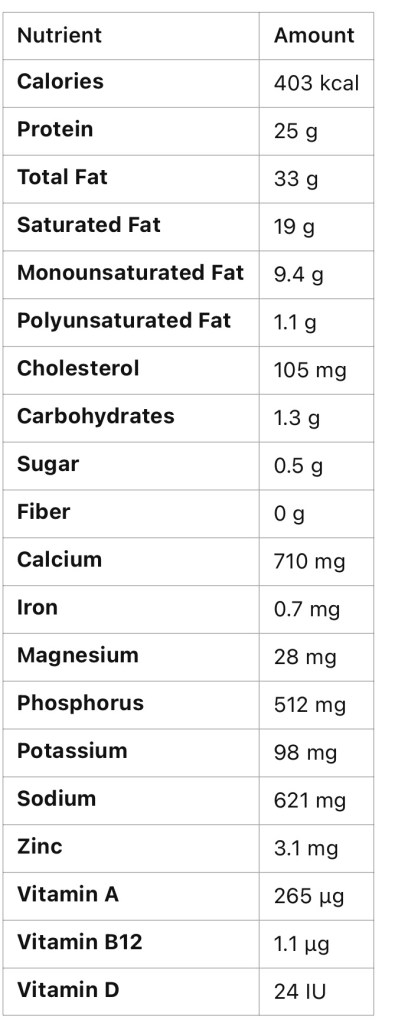
Nutrition value for a cheddar cheese
Overall benefits of cheese
Cheese offers several health benefits when consumed in moderation:
1. Rich in Protein – Cheese is an excellent source of high-quality protein, essential for muscle growth and repair.
2. High in Calcium – It provides a significant amount of calcium, promoting strong bones and teeth.
3. Supports Heart Health – Certain cheeses, like Swiss and mozzarella, contain healthy fats that may support heart health when eaten in moderation.
4. Good Source of Vitamins – Cheese contains essential vitamins like vitamin A, B12, and K2, which support vision, brain function, and bone health.
5. Boosts Gut Health – Fermented cheeses contain probiotics that aid digestion and promote gut health.
6. Provides Healthy Fats – Some cheeses, especially full-fat varieties, contain beneficial fatty acids that support overall metabolism.
7. Improves Dental Health – The calcium and phosphorus in cheese help strengthen enamel and reduce the risk of cavities.
8. Aids Weight Management – High-protein cheeses can promote satiety, reducing hunger and supporting weight control.
Should you include cheese in your diet?
As you know, cheese is a great protein source. However, if you look closely at the table above, you’ll notice that cheese is also high in saturated fats. Consuming excessive amounts of saturated fats daily can lead to increased levels of LDL (Low-Density Lipoprotein), commonly known as bad cholesterol.
If your blood test already indicates high cholesterol, cheese may not be the best option to meet your dietary needs, as it can further raise cholesterol levels.
However, if your blood reports do not show high cholesterol, you can include cheese in moderation—around 20g to 40g per day—especially if you follow an active lifestyle.
Conclusion
- Cheese has high nutritional values as it is high in fats, proteins, calcium and other vitamins
- There are several types of cheese are available in market such as cheddar cheese, Swiss and mozzarella etc.
- Consume in moderation if you have any symptoms of bad cholesterol and having an active lifestyle.
- Even though cheese has high nutritional benefits, it also comes with high saturated fats. Which will increase the LDL levels in case of higher consumption
Also, you can read one of my previous blog about Reducing cholesterol effectively
 Get Fit
Leave a comment